About
David Mario Smith
Founder and Principal Analyst, InFlow Analysis
I have covered the digital workplace for more than two decades, sixteen of them as a Gartner analyst and then as Research Director and lead analyst at Aragon Research. InFlow Analysis is where I do that work independently, with no vendor scorecards to defend and no seat licenses to sell.
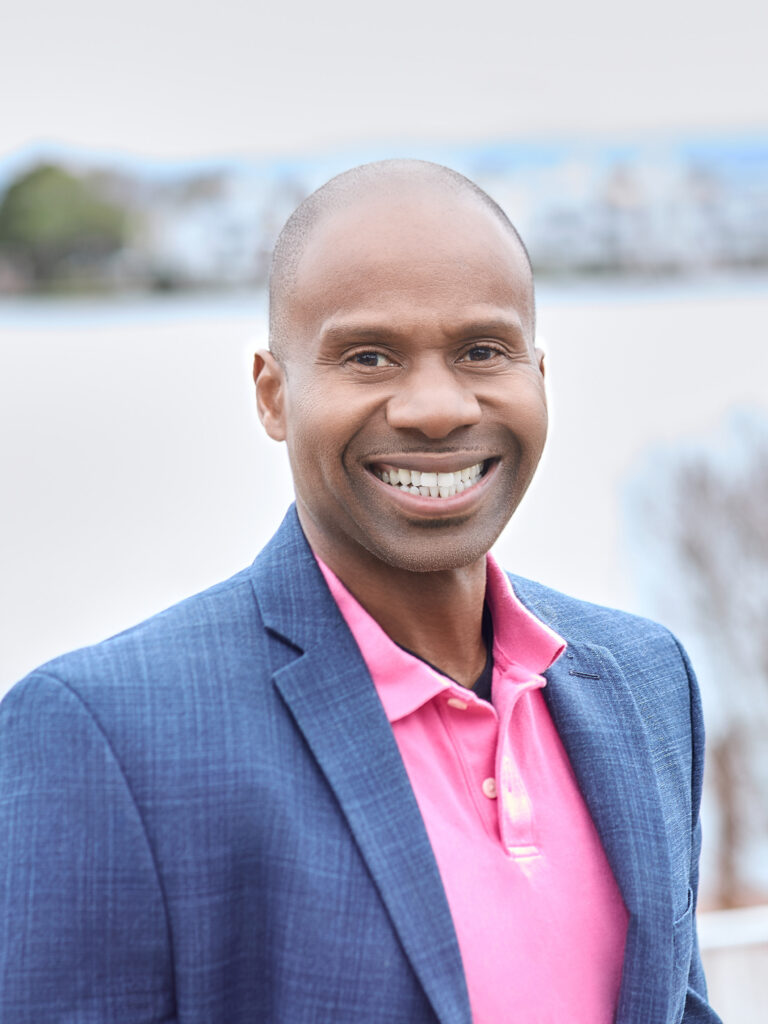
San Mateo, California
01. What I believe
Movement begets movement.
The digital workplace is the foundational space, where people and technology meet to deliver value. It's where people do the work and look after the customer.
It has evolved well past static tools into something kinetic. Organizations no longer compete on which products they bought. They compete on how well work moves through them, and on whether anything is lost when it does.
Technology is the rhythm that moves business outcomes forward. Rhythm is the right word for it, and I will come back to why.
02. Where the market is going
From managing interactions to orchestrating them.
For most of the last decade the job was interaction management. A ticket, a call, a message, each handled competently on its own terms. That era is closing.
The work now is orchestration, which means intent, state and history moving across tools, teams and time without a person carrying them by hand. Continuous Flow Architecture is how I assess whether an organization can actually do that, and the Universal Context Layer is the part underneath it that most programs assume and few build.
Efficiency and loyalty both arrive when data, workflows and agents move in sync. What that produces for the person doing the job is a resolution specialist rather than a router. Someone with enough context to solve the problem in front of them instead of passing it along.
03. Why an analyst cares this much about design
Two disciplines hold the rest of it together.
Systems thinking is what lets me look at an enterprise and see one system rather than a set of departments defending separate budgets. Design thinking is the thread that ties employee experience to customer experience, because both come down to whether someone built the thing around a person or around a process.
I also produce music, and it's less of a separate life than it sounds.
Composing is designing an experience. You decide how an instrument is played, where a sound sits across the stereo field, what the listener notices first and what arrives later. You're building something for a person who isn't in the room and can't ask you what you meant.
That's the same discipline as designing a workflow, and it's why I don't treat design as decoration. It's also why the methodology starts with the people at either end rather than the architecture in the middle.
04. The record
Where the work has been done and published.
Let's find your flow.
Tell me what you're trying to decide. If I am the right person for it, we will talk about how to work together. If I am not, I will say so.
The first conversation runs thirty minutes and carries no charge.